Osteopath vs Chiropractor: What’s the Difference and Which One Should You Choose?
If you’re experiencing back pain, neck pain, headaches, or a sports injury, you’ve probably asked yourself:
Should I see an osteopath or a chiropractor?
It’s one of the most common questions we hear from patients at JRodríguez Osteosalud in Marbella. While both professions use hands-on techniques to help reduce pain and improve movement, they differ in their approach, assessment methods, and treatment philosophy.
There isn’t a one-size-fits-all answer. The best option depends on the underlying cause of your symptoms, your medical history, and a thorough clinical assessment performed by a qualified healthcare professional.
In this guide, we’ll explain the main differences between osteopathy and chiropractic care, how each approach works, and how to decide which treatment is most appropriate for your individual needs.
If you’re looking for a short explanation:
- Osteopathy takes a whole-body approach, assessing how muscles, joints, fascia, and movement patterns work together to identify the source of pain or dysfunction.
- Chiropractic care traditionally focuses more on the spine and its relationship with the nervous system, often using spinal adjustments to restore joint mobility.
Both professions can help manage many musculoskeletal conditions, but the most appropriate treatment depends on an individual clinical assessment rather than the name of the profession.
What Is Osteopathy?
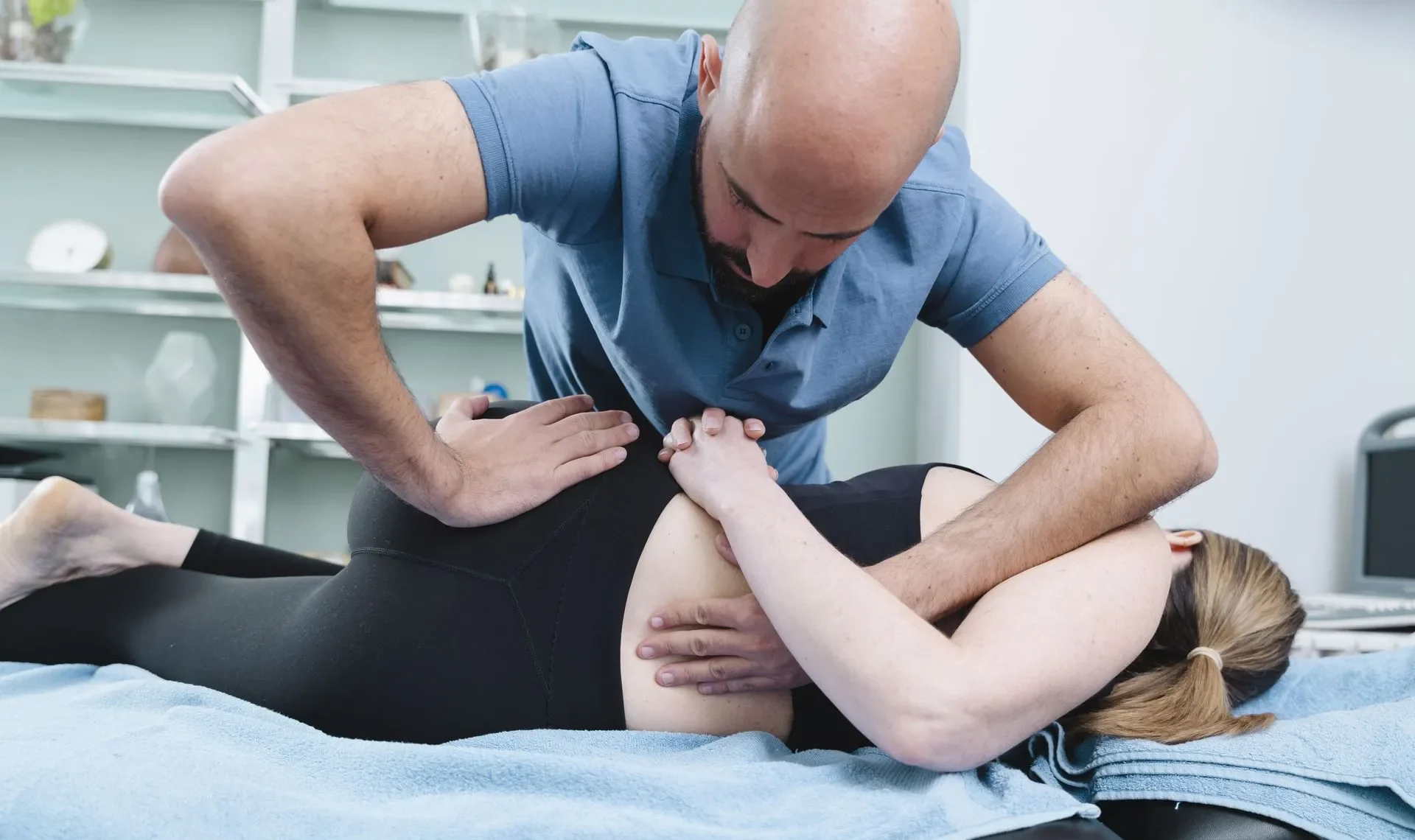
Osteopathy is a form of manual therapy that aims to improve mobility, reduce pain, and restore normal function within the musculoskeletal system.
Rather than treating only the area where symptoms appear, osteopaths assess how the entire body moves and functions together.
For example, someone with lower back pain may actually have contributing factors such as:
- Reduced hip mobility
- Stiffness in the thoracic spine
- Poor breathing mechanics
- An old ankle injury affecting walking patterns
- Muscle overload caused by prolonged sitting
The goal is to identify and address the factors contributing to the problem, rather than focusing solely on symptom relief.
A comprehensive osteopathic assessment typically includes:
- Joint mobility
- Posture
- Walking pattern (gait)
- Muscle strength
- Movement quality
- Medical history
- Lifestyle and work habits
- Physical activity levels
Treatment is always tailored to the individual and may combine several manual therapy techniques with personalised advice and exercise.
What Is Chiropractic Care?
Chiropractic is another healthcare profession that focuses on diagnosing and treating musculoskeletal conditions using manual techniques.
Its best-known treatment is the spinal adjustment—a high-velocity, low-amplitude manipulation designed to improve movement in specific joints of the spine.
Depending on the practitioner’s training and clinical approach, treatment may also include:
- Spinal adjustments
- Joint mobilisation
- Soft tissue techniques
- Postural advice
- Rehabilitation exercises
- Ergonomic recommendations
Many people associate chiropractic treatment with the characteristic “cracking” sound heard during certain adjustments.
This sound is known as joint cavitation and results from changes in pressure within the joint. It does not mean that a bone has been “put back into place.”
What’s the Difference Between an Osteopath and a Chiropractor?
Although both professions use manual therapy, their clinical approach often differs.
1. Treatment Philosophy
Osteopathy typically takes a whole-body approach, assessing how different body systems interact to influence movement and pain.
Chiropractic traditionally places greater emphasis on the spine and spinal joint function, although treatment approaches can vary between practitioners.
2. Treatment Techniques
An osteopath may use:
- Joint mobilisation
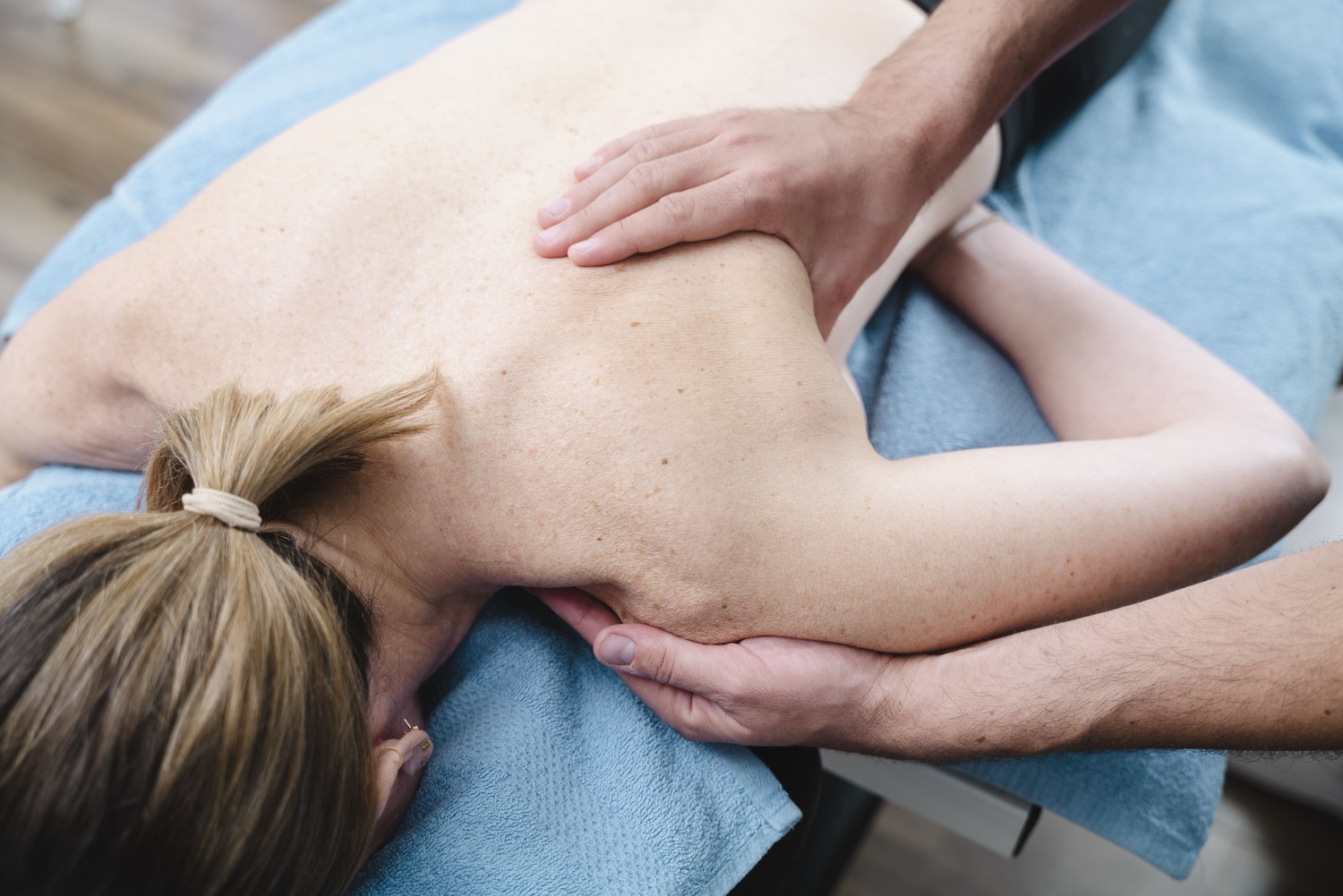
- Soft tissue therapy
- Myofascial release
- Muscle energy techniques
- Stretching
- Joint manipulation when appropriate
- Exercise prescription
- Patient education
Chiropractors commonly use:
- Spinal adjustments
- High-velocity joint manipulation
- Mobilisation techniques
- Rehabilitation advice
3. Personalised Care
There is no standard treatment protocol in osteopathy.
Two patients with the same diagnosis may receive completely different treatment plans because the factors contributing to their symptoms may differ.
For example, two people with neck pain may have different underlying causes:
- Reduced thoracic mobility
- Muscle tension related to stress
- Poor workstation ergonomics
- Previous injuries affecting movement
Treatment is based on a detailed clinical assessment rather than the diagnosis alone.
Can an Osteopath Help with Back Pain?
Back pain is one of the most common reasons people seek osteopathic treatment.
However, back pain can have many different causes, including:
- Muscle strain
- Joint stiffness
- Poor movement patterns
- Sedentary lifestyle
- Reduced strength
- Occupational factors
- Sports-related overload
For this reason, effective treatment starts with understanding why the pain developed rather than simply treating the painful area.
At JRodríguez Osteosalud, we combine manual therapy with exercise, education, and movement rehabilitation to support long-term recovery.
What About Sciatica?
Sciatica describes pain that radiates from the lower back into the leg along the path of the sciatic nerve.
Not every case of sciatica has the same cause. Symptoms may be related to disc irritation, nerve compression, joint dysfunction, muscle tension, or other factors that require individual assessment.
Manual therapy may be beneficial when clinically appropriate and is often combined with exercise and education as part of a comprehensive treatment plan.
If symptoms include significant muscle weakness, bowel or bladder dysfunction, or numbness around the groin area, urgent medical assessment is essential.
Does Osteopathy Always Involve “Cracking”?
No.
This is one of the biggest misconceptions about osteopathy.
Many osteopathic techniques involve gentle mobilisation, soft tissue therapy, stretching, or muscle techniques without any joint manipulation.
When manipulation is appropriate, the “cracking” sound simply results from gas bubbles moving within the joint fluid. It does not indicate that bones are being realigned.
Treatment is always adapted to the patient’s condition, preferences, and clinical findings.
What Does the Evidence Say?
Current international clinical guidelines recommend a combination of:
- Staying active whenever possible
- Exercise therapy
- Patient education
- Manual therapy when clinically indicated
- Individualised treatment plans
Research suggests that manual therapy can be helpful for some people with lower back pain, neck pain, and other musculoskeletal conditions, particularly when combined with active rehabilitation rather than used as a stand-alone treatment.
At JRodríguez Osteosalud, we integrate osteopathic techniques into a broader evidence-informed approach focused on improving movement, reducing pain, and helping patients return to their normal activities.
When Should You See an Osteopath?
You may benefit from an osteopathic assessment if you experience:
- Lower back pain
- Neck pain
- Joint stiffness
- Sports injuries
- Muscle tension
- Reduced mobility
- Recurrent postural pain
- Persistent musculoskeletal discomfort
If your symptoms are affecting your daily life, work, or sporting performance, an assessment can help determine the most appropriate treatment plan.
When Should You See a Doctor First?
Some symptoms require prompt medical evaluation before starting manual therapy.
Seek medical attention if you experience:
- Significant muscle weakness
- Loss of bladder or bowel control
- Fever with severe back pain
- Pain following major trauma
- Unexplained weight loss
- Persistent night pain
- A history of cancer associated with new unexplained pain
These symptoms may indicate conditions that require urgent medical investigation.
So, Which Is Better: An Osteopath or a Chiropractor?
The answer depends less on the professional title and more on the quality of the assessment, clinical reasoning, and treatment plan.
A good practitioner should:
- Carry out a thorough assessment.
- Explain your condition clearly.
- Provide an individualised treatment plan.
- Recommend appropriate exercises.
- Refer you to another healthcare professional when necessary.
For many musculoskeletal conditions, combining manual therapy with exercise and education offers the best long-term outcomes.
Choosing between an osteopath and a chiropractor isn’t about deciding which profession is “better.” It’s about finding the approach that best matches your condition, goals, and individual needs.
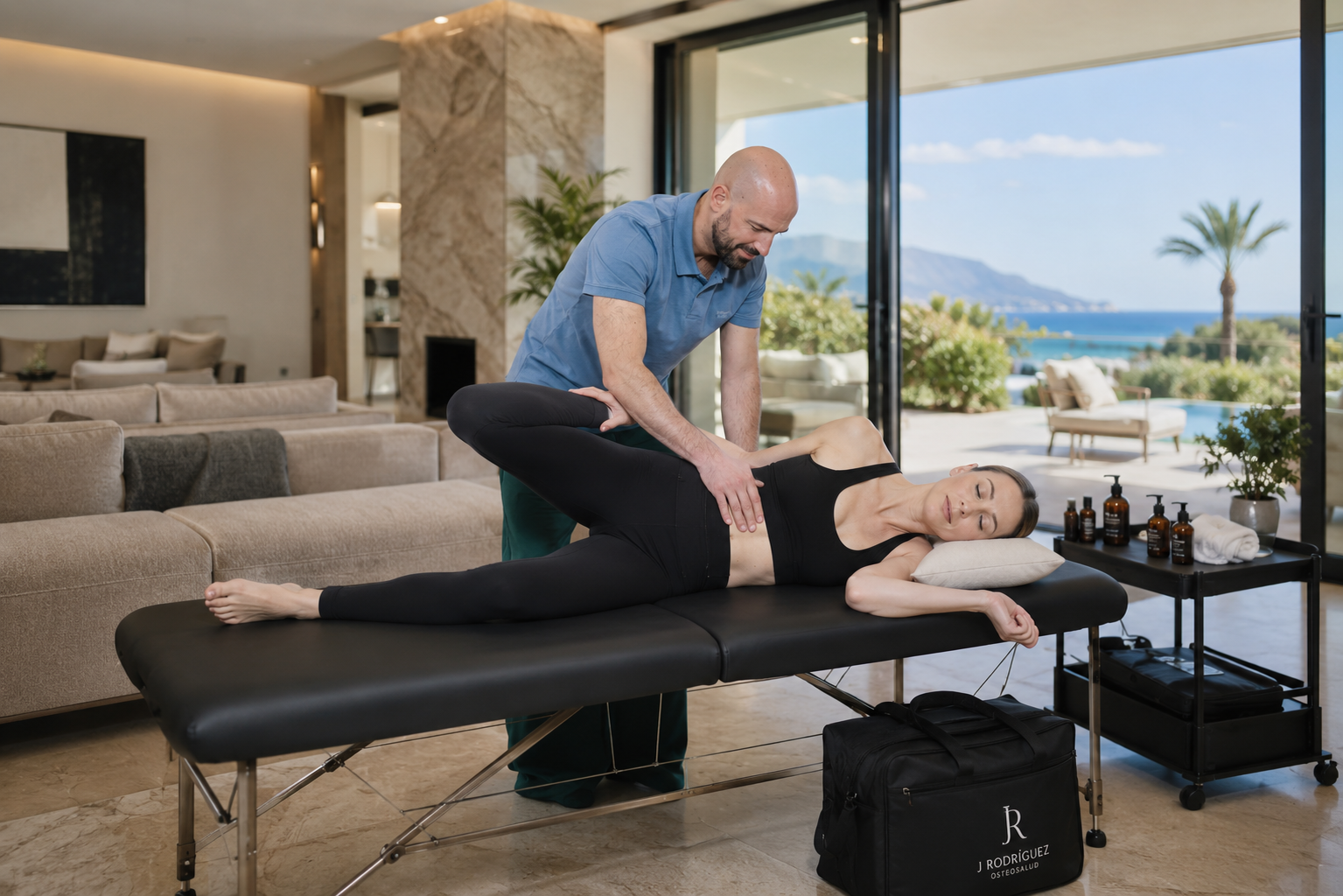
At JRodríguez Osteosalud in Marbella, we provide comprehensive assessments and personalised treatment plans that combine manual therapy, exercise, and patient education. Our goal is not only to reduce pain but also to improve movement, restore function, and help prevent future injuries.
If you’re unsure which treatment is right for you, we’re here to help you make an informed decision and guide you towards the most appropriate care.